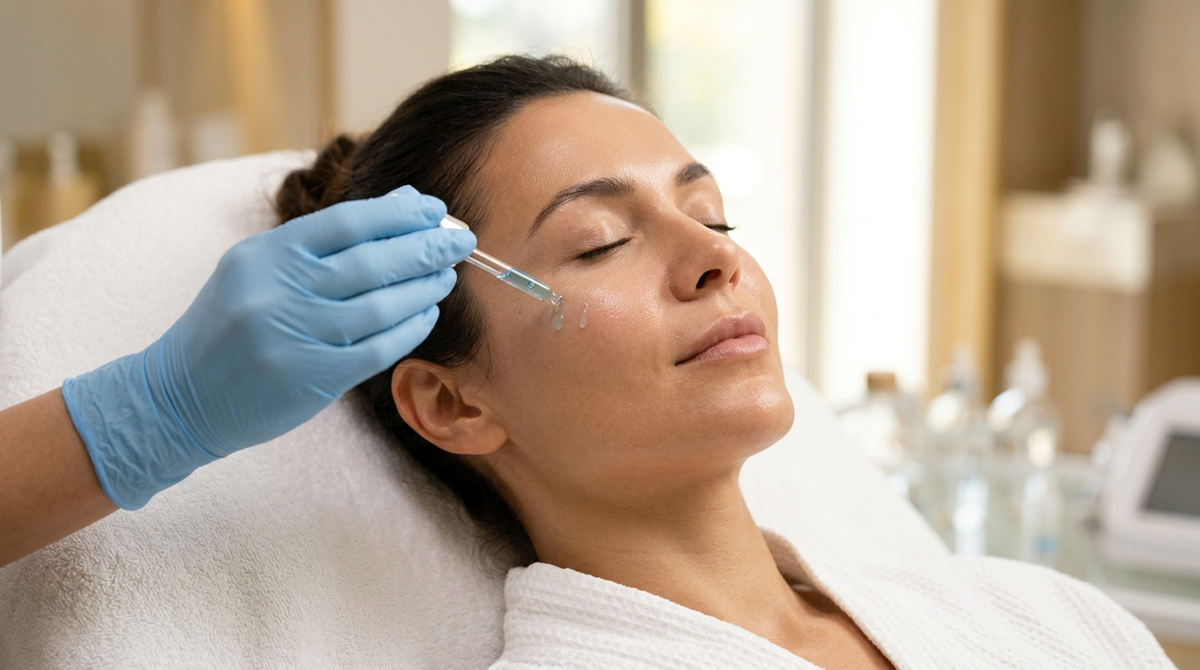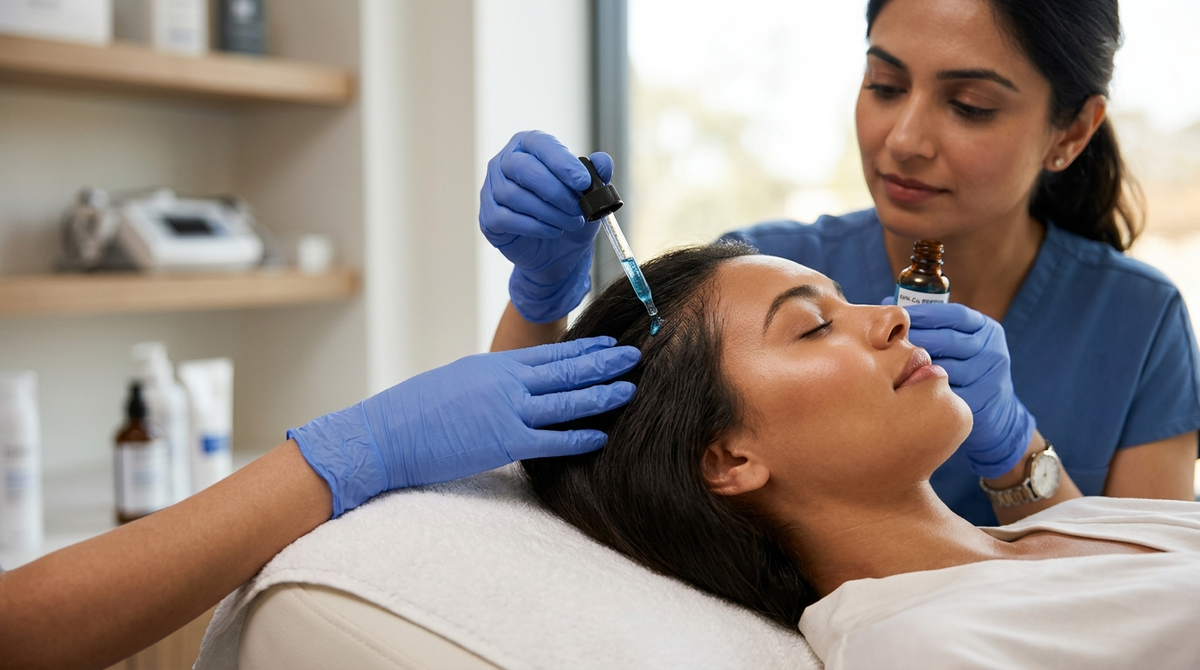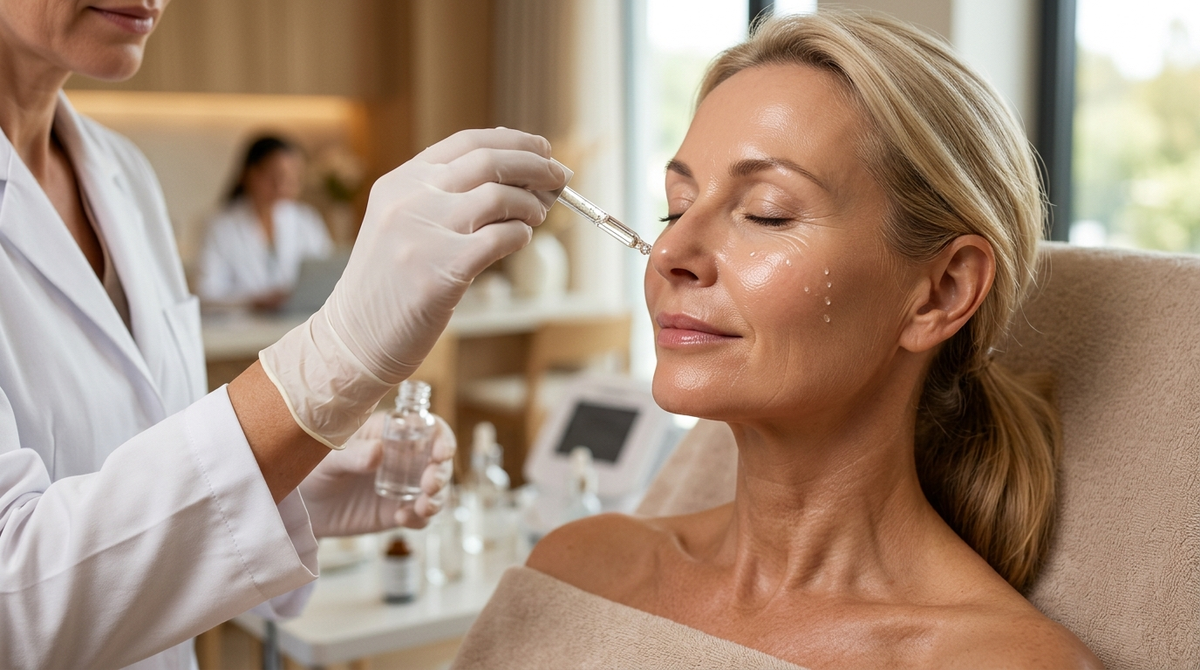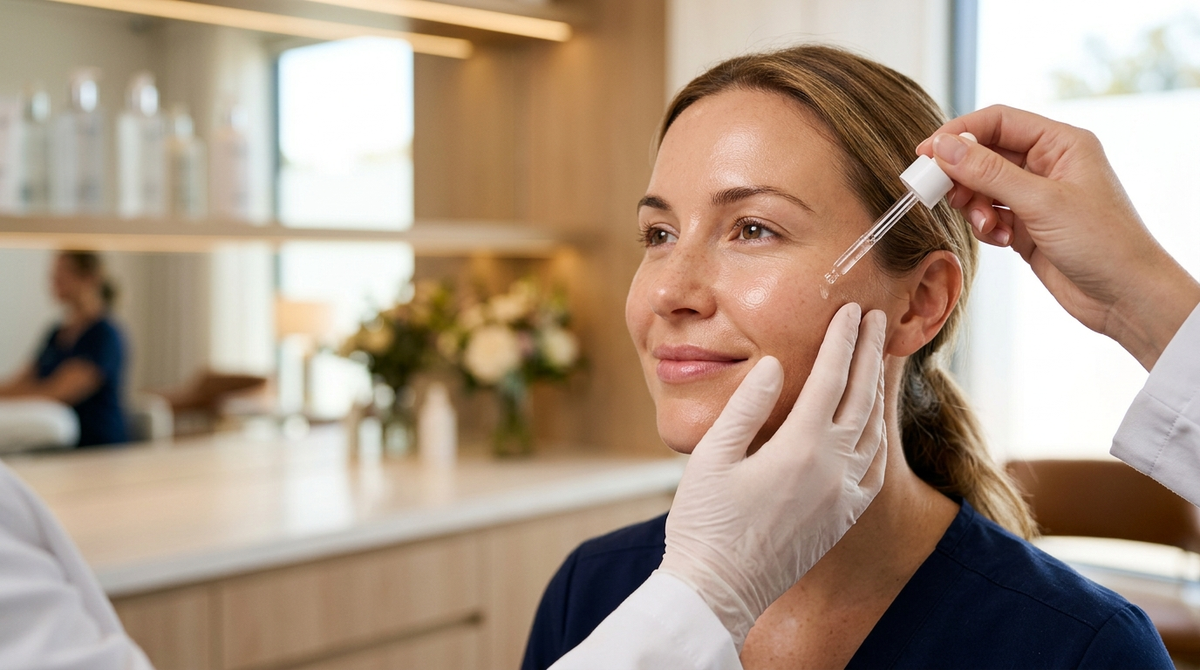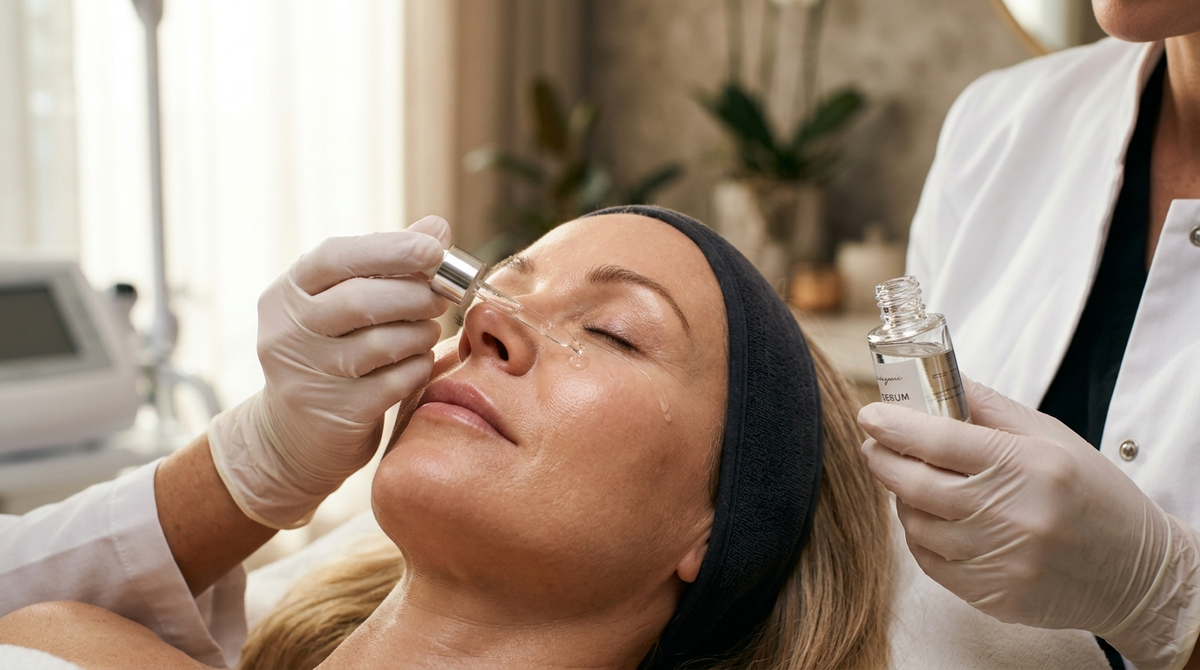
The Science Behind Aesthetic Peptides
Aesthetic peptides have gained significant attention in dermatology and cosmetic science for their ability to stimulate collagen synthesis, reduce wrinkle depth, promote hair follicle health, and modulate skin pigmentation. This hub examines the scientific evidence behind the most researched aesthetic peptides.
Key Aesthetic Peptides
- GHK-Cu (copper peptide): collagen stimulation, wound healing, hair growth
- SNAP-8 and Argireline: neuromuscular-targeting anti-wrinkle peptides
- Matrixyl 3000: palmitoyl tripeptide/pentapeptide collagen synthesis
- PT-141 (bremelanotide): melanocortin receptor activation
- Melanotan 1 and 2: melanogenesis and tanning research
How Aesthetic Peptides Work
Aesthetic peptides function through several key mechanisms: stimulating fibroblast activity to increase collagen and elastin production, inhibiting neuromuscular signaling to reduce expression lines (similar to botulinum toxin but via topical application), promoting melanin synthesis for photoprotection, and activating stem cells in hair follicles to support growth cycles.
GHK-Cu is perhaps the most versatile aesthetic peptide, with research demonstrating benefits across wound healing, skin remodeling, anti-inflammatory activity, and hair follicle stimulation. Our articles compare delivery methods (topical vs. injectable), examine clinical trial data, and provide evidence-based assessments of each peptide's efficacy.