
Semaglutide, Tirzepatide, Retatrutide and next-generation GLP-1 agonists for metabolic research.
 NEW BATCH
 COA ✓
COA ✓
 🔥 Popular
 NEW BATCH
GLP-1 receptor agonists are among the most significant pharmaceutical developments of the past decade. Semaglutide and Tirzepatide have demonstrated unprecedented efficacy in weight management trials, while next-generation triple agonists like Retatrutide are expanding the horizon of incretin-based research. This category provides researchers with access to both established and investigational GLP-1 compounds for metabolic studies.
| Peptide | Receptor Targets | Generation | Dosages | Clinical Stage |
|---|---|---|---|---|
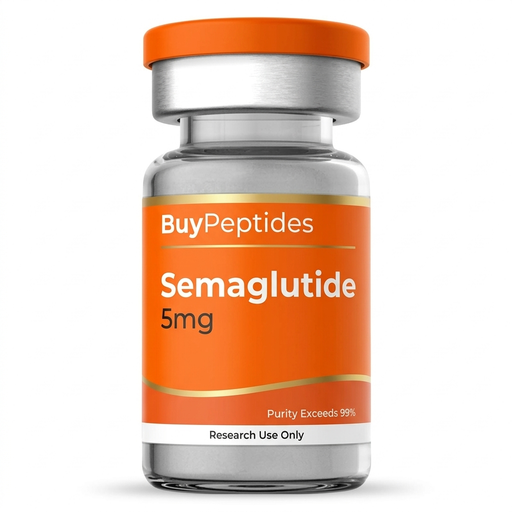
| Semaglutide | GLP-1 | 1st gen single agonist | 5/10/20mg | FDA approved |
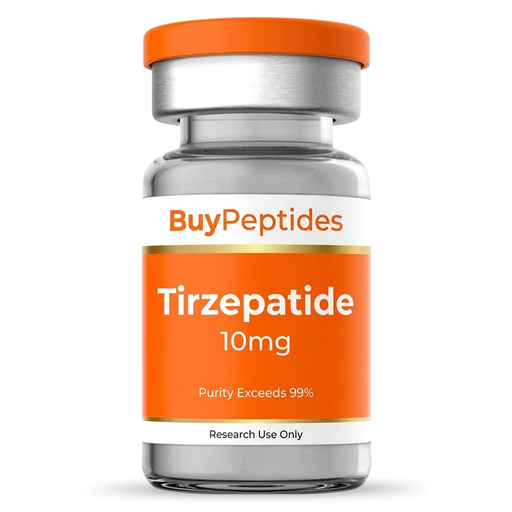
| Tirzepatide | GLP-1 / GIP | Dual agonist | 10/15/20mg | FDA approved |
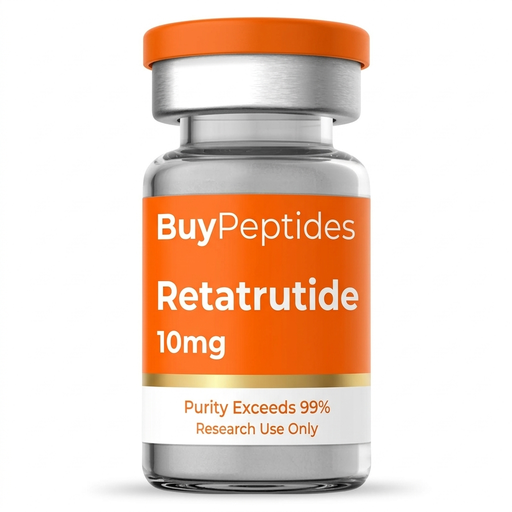
| Retatrutide | GLP-1 / GIP / GCGR | Triple agonist | 10/20/30mg | Phase III |
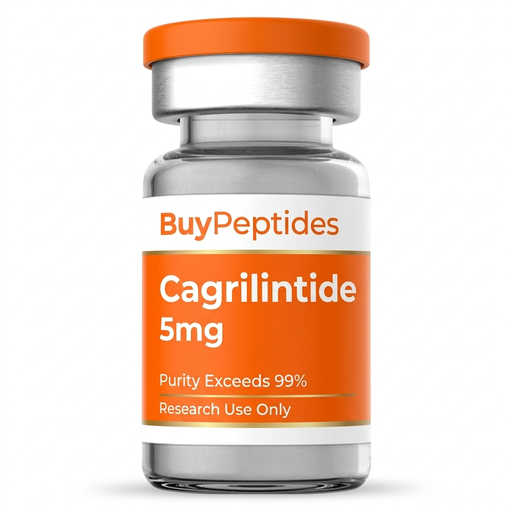
| Cagrilintide | Amylin analogue | Long-acting amylin | 5/10mg | Phase III (CagriSema) |
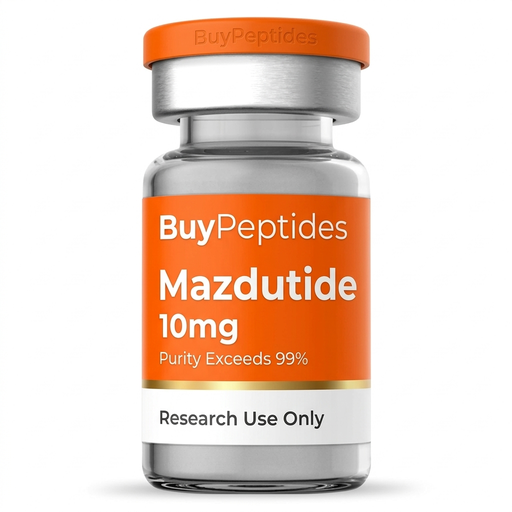
| Mazdutide | GLP-1 / GCGR | Dual agonist | 10mg | Phase III (China) |
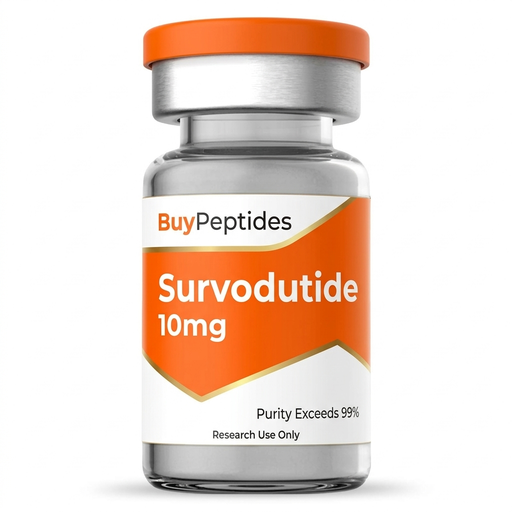
| Survodutide | GLP-1 / GCGR | Dual agonist | 10mg | Phase III (NAFLD focus) |
GLP-1 agonists mimic the natural incretin hormones released by the gut after eating. Their therapeutic effects extend far beyond glucose control, encompassing appetite regulation, gastric emptying, and emerging cardiovascular and hepatoprotective benefits.
GLP-1R activation in the hypothalamus and brainstem reduces appetite and increases satiety signaling. Combined GIP agonism (Tirzepatide) appears to enhance this effect through complementary pathways in the CNS reward system.
Retatrutide adds glucagon receptor (GCGR) activation, which increases resting energy expenditure and hepatic fat oxidation. This triple mechanism may explain its superior efficacy in early clinical trials compared to dual agonists.
GLP-1 peptides require bacteriostatic water for reconstitution. Use our reconstitution calculator for volume calculations and the dosage calculator for precise measurement. GLP-1 compounds typically follow weekly subcutaneous administration protocols in clinical research. For related metabolic support peptides, see our dedicated category.