
BPC-157, TB-500, and peptide blends used in tissue repair and recovery research.
 COA ✓
COA ✓
 🔥 Popular
 NEW BATCH
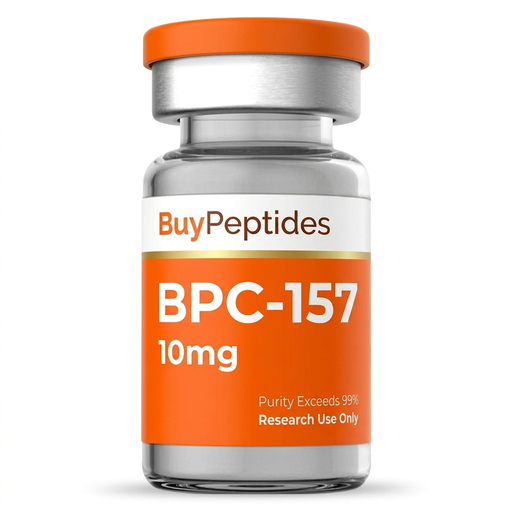
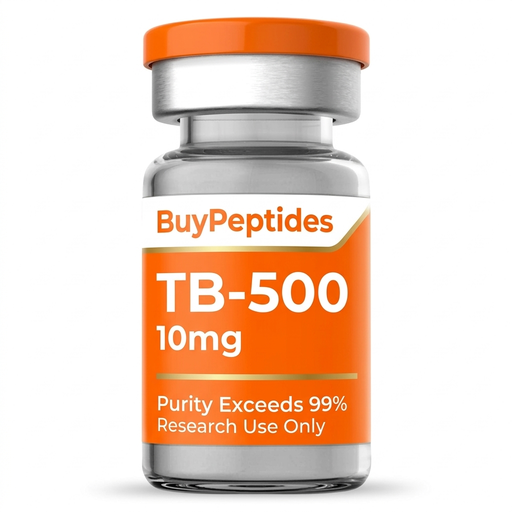
Healing peptides are among the most actively researched compounds in regenerative medicine. BPC-157, a 15-amino acid fragment of human gastric juice protein, and TB-500 (Thymosin Beta-4), a 43-amino acid actin-binding protein, have generated hundreds of published studies on tissue repair across tendons, ligaments, muscles, gut, and nervous tissue. This category also includes bone-targeting peptides for skeletal research.
| Peptide | Mechanism | Primary Tissues | Dosages | Research Focus |
|---|---|---|---|---|
| BPC-157 | GF receptor upregulation | Multi-tissue | 10/20/40mg | Tendon, gut, neural repair |
| TB-500 | Actin sequestration | Soft tissue | 10/20mg | Muscle, cardiac, wound healing |
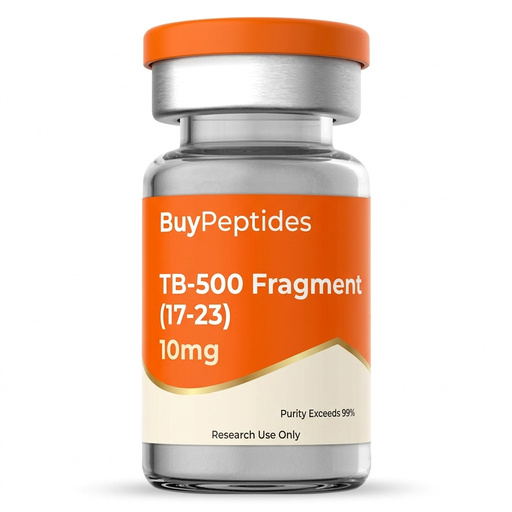
| TB-500 Fragment | Active fragment of TB-500 | Vascular | 10mg | Angiogenesis, targeted healing |
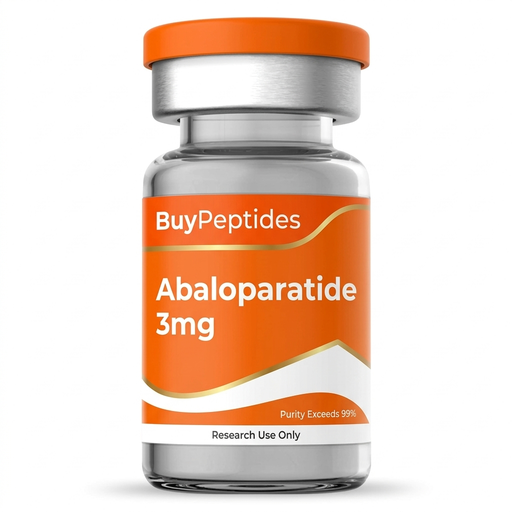
| Abaloparatide | PTH1R selective agonist | Bone | 3mg | Osteoporosis, bone formation |
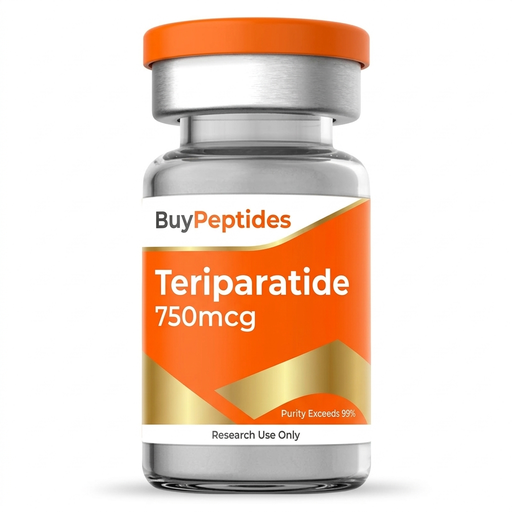
| Teriparatide | PTH(1-34) fragment | Bone | 750mcg | FDA-approved osteoanabolic |
Healing peptides accelerate the body's natural repair cascade through distinct but complementary mechanisms. Combining them (post-surgery recovery research) has become a major area of interest.
BPC-157 upregulates VEGF (angiogenesis), FGF (fibroblast proliferation), and EGF (epithelial repair). It also modulates the NO system and has cytoprotective effects on the GI tract - promoting healing from multiple angles simultaneously.
TB-500 sequesters G-actin monomers, promoting actin polymerization at injury sites. This drives cell migration, new blood vessel formation, and downregulation of inflammatory cytokines. Its oral form is available as BPC-157 Oral Tablets.
Reconstitute with bacteriostatic water. Use the reconstitution calculator for volume calculations and the dosage calculator for accurate measurements. BPC-157 is typically studied at 200-800mcg/day subcutaneously in research models.