
Pre-formulated multi-peptide blends for research convenience.
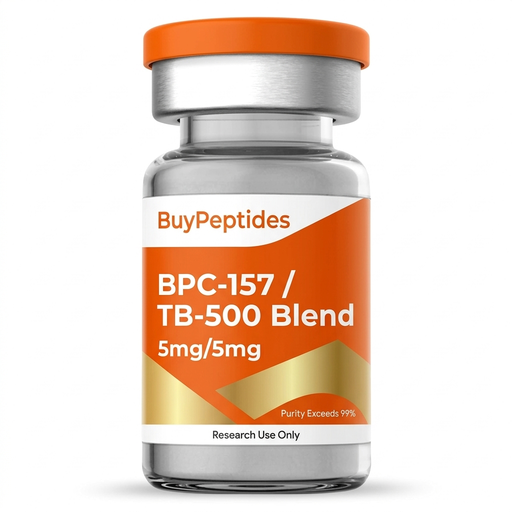 NEW BATCH
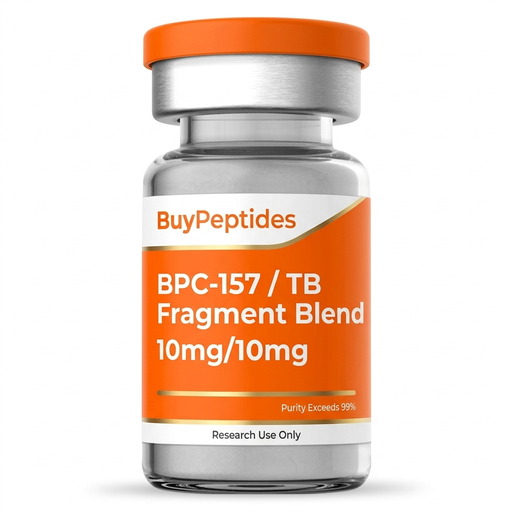 COA ✓
COA ✓
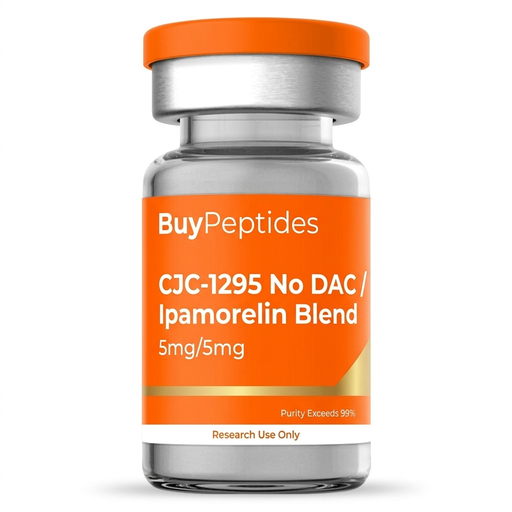
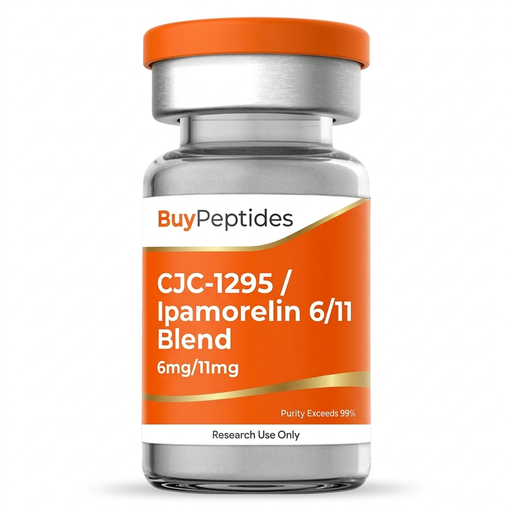
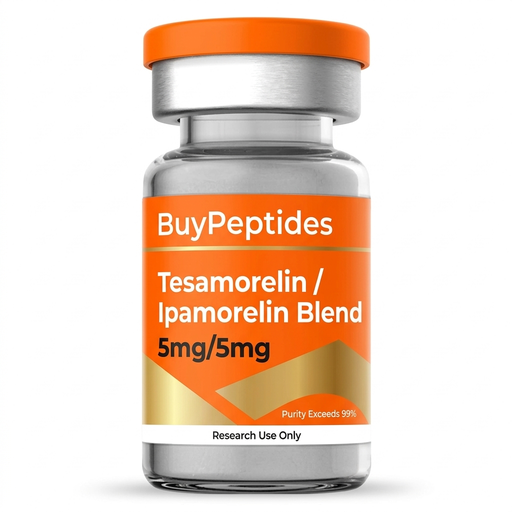 🔥 Popular
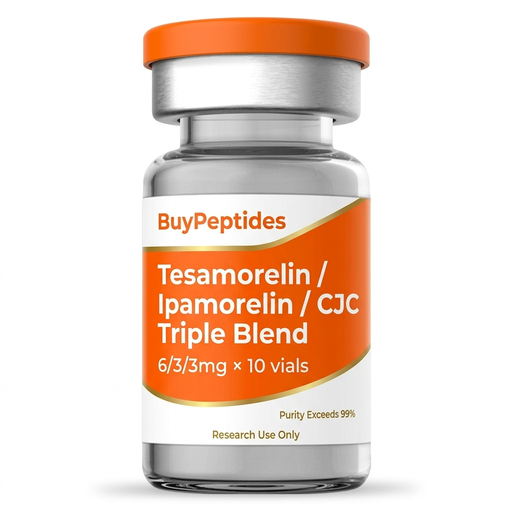 NEW BATCH
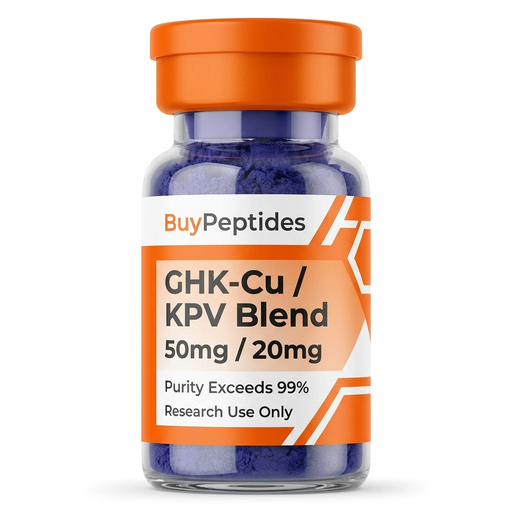 COA ✓
COA ✓
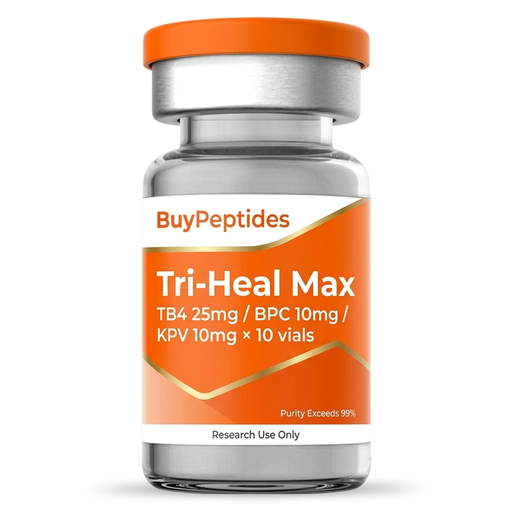
Peptide blends combine two or three complementary peptides into a single vial, offering researchers a streamlined approach to multi-target protocols. Each blend is formulated with precise molar ratios based on published research, eliminating the complexity of designing peptide stacks from individual components. All blends are co-lyophilized to ensure stability and consistent reconstitution.
| Blend | Components | Category | Research Focus |
|---|---|---|---|
| BPC-157 / TB-500 | BPC-157 + TB-500 | Healing | Tendon, ligament, muscle repair |
| BPC-157 / TB Fragment | BPC-157 + TB-500 (17-23) | Healing | Targeted angiogenesis |
| CJC-1295 / Ipamorelin | CJC-1295 No DAC + Ipamorelin | Growth | Pulsatile GH secretion |
| Tesamorelin / Ipamorelin | Tesamorelin + Ipamorelin | Growth | Visceral fat reduction, body composition |
| GHK-Cu / KPV | GHK-Cu + KPV | Cosmetic | Skin repair + anti-inflammation |
| Tri-Heal Max | TB-500 + BPC-157 + KPV | Healing | Multi-pathway tissue recovery |
Also available: CJC/Ipa 6/11 Blend, Tesa/Ipa/CJC Triple Blend
Multi-peptide protocols are common in research settings, but sourcing, reconstituting, and dosing individual peptides introduces variability. Pre-formulated blends solve this by delivering exact ratios in a single vial.
The BPC-157/TB-500 combination works through complementary pathways - BPC-157 upregulates growth factor receptors while TB-500 promotes actin polymerization and cell migration to injury sites.
CJC-1295 (a GHRH analogue) and Ipamorelin (a ghrelin mimetic) act on different pituitary receptors. Combined, they produce a significantly greater GH pulse than either peptide alone - a principle well-established in growth hormone research.
All blends require bacteriostatic water for reconstitution. Use the reconstitution calculator to determine volumes, and the blend calculator for multi-component dosing. For syringe measurements, see the syringe unit calculator.