
Thymosin Alpha-1, Thymulin, and immune-modulating peptides.
 🔥 Popular
 NEW BATCH
 COA ✓
COA ✓
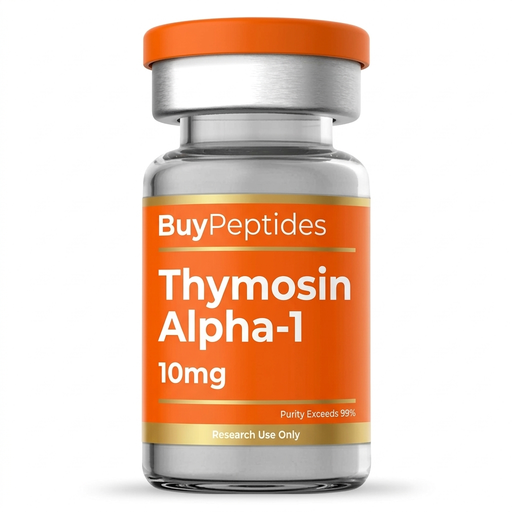
Immune-modulating peptides target the thymus gland, innate defense systems, and inflammatory pathways. Thymosin Alpha-1, approved in over 35 countries as Zadaxin, is the most clinically validated immune peptide, used in hepatitis B/C and as an immunoadjuvant. This category also includes antimicrobial peptides like LL-37 and neuroprotective immune modulators such as ARA-290.
| Peptide | Primary Target | Mechanism | Research Applications |
|---|---|---|---|
| Thymosin Alpha-1 | Adaptive immunity | DC maturation, T-cell activation | Viral hepatitis, immunoadjuvant |
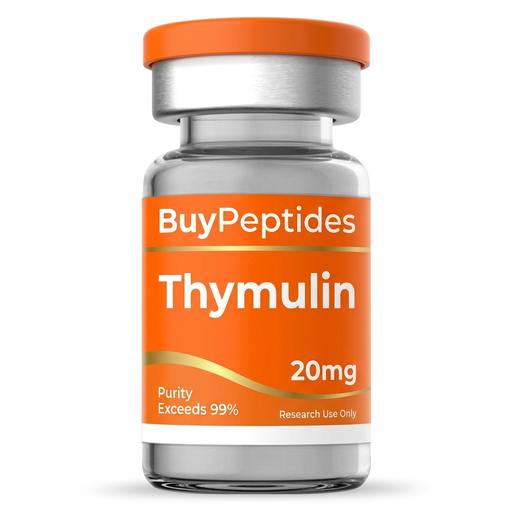
| Thymulin | Thymus function | Zinc-dependent T-cell maturation | Thymic involution, aging immunity |
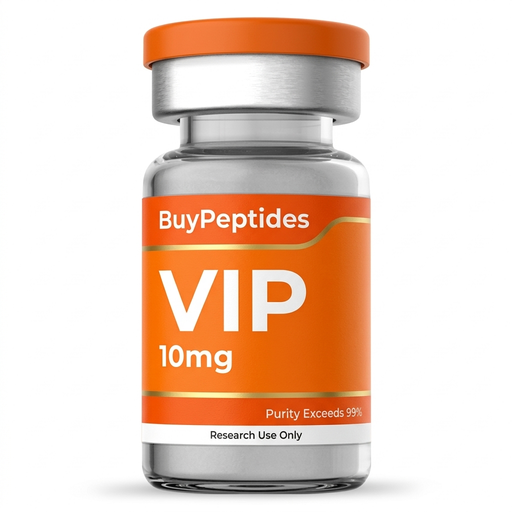
| VIP | VPAC receptors | Anti-inflammatory, vasodilation | Autoimmune, CIRS, pulmonary |
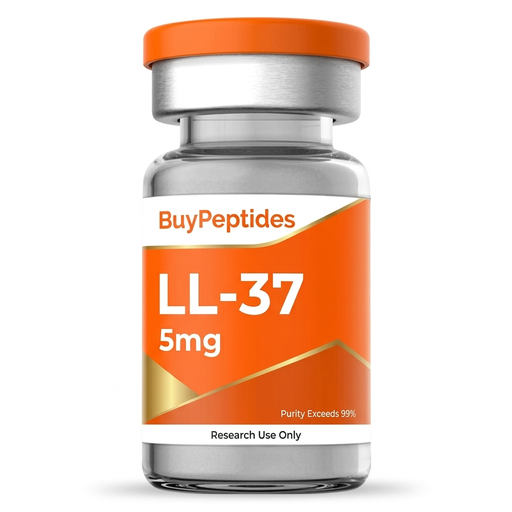
| LL-37 | Innate defense | Membrane disruption, immunomodulation | Antimicrobial, biofilm disruption |
| ARA-290 | EPOR/CD131 | Innate repair receptor activation | Neuropathy, tissue protection |
Thymosin Alpha-1 and Thymulin enhance the adaptive immune system by promoting T-cell differentiation and thymic output. Research on thymic involution - the age-related shrinkage of the thymus - suggests these peptides may help restore immune competence in aging models. Related bioregulator peptides like Crystagen target similar immune pathways.
LL-37 is the only human cathelicidin antimicrobial peptide. It disrupts bacterial membranes through electrostatic interaction and also modulates the host immune response by recruiting immune cells and promoting wound closure. ARA-290 activates the innate repair receptor (EPOR/CD131 heterodimer) to promote tissue-protective effects without erythropoietic activity.
Reconstitute with bacteriostatic water. Use the reconstitution calculator for volume calculations and the dosage calculator for accurate measurements.