
Epitalon, bioregulators, and cytomax peptides linked to longevity research.
 COA ✓
COA ✓
 🔥 Popular
 NEW BATCH
Longevity peptides target the fundamental mechanisms of biological aging - telomere shortening, cellular senescence, and mitochondrial decline. Epitalon, developed by Professor Khavinson, is the most studied telomerase-activating peptide, while Fox04-DRI represents a new class of senolytic peptides that selectively eliminate senescent cells. This category bridges bioregulator research with modern geroscience.
| Peptide | Target | Mechanism | Dosages | Aging Hallmark |
|---|---|---|---|---|
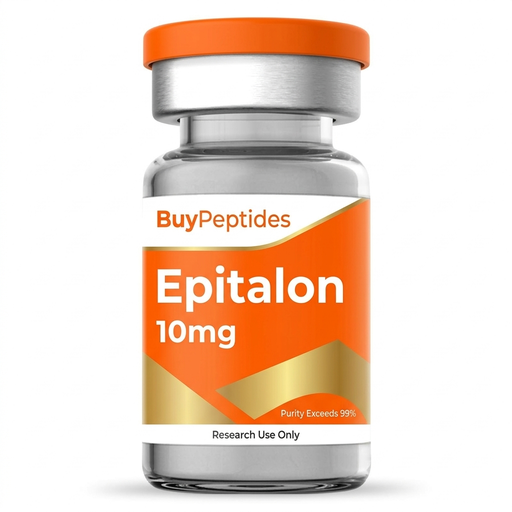
| Epitalon | Telomerase (hTERT) | Telomere elongation | 10/50mg | Telomere attrition |
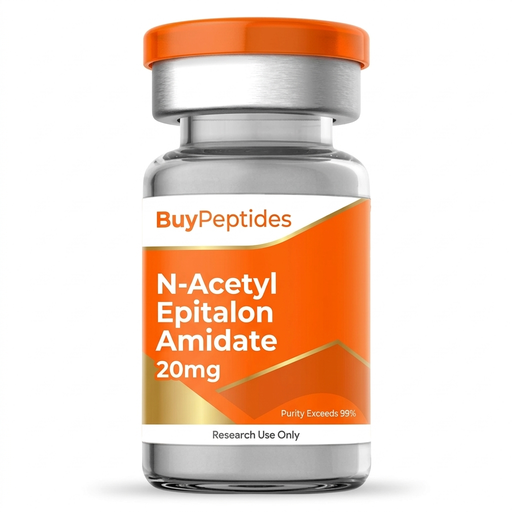
| NA-Epitalon Amidate | Telomerase (hTERT) | Enhanced telomerase | 20mg | Enhanced bioavailability |
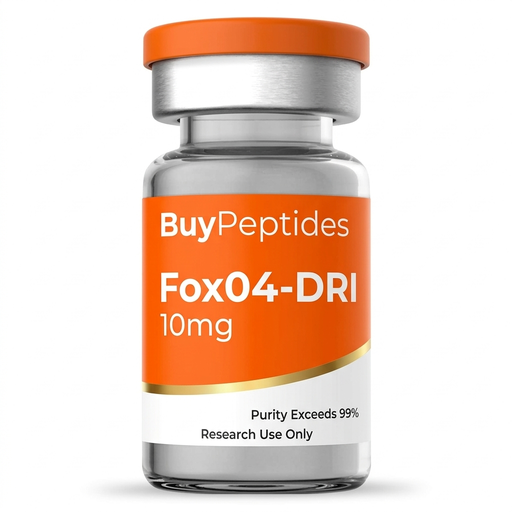
| Fox04-DRI | p53/FOXO4 complex | Senolytic | 10mg | Cellular senescence |
| MOTS-c | AMPK pathway | Exercise mimetic | 10/20/40mg | Mitochondrial dysfunction |
| P21 | CNTF receptor | Neurogenesis | 10mg | Stem cell exhaustion, cognitive decline |
Epitalon is a tetrapeptide (Ala-Glu-Asp-Gly) that activates the hTERT subunit of telomerase. In Khavinson's studies, Epitalon treatment increased telomere length in human fibroblasts by 33% and extended the replicative lifespan of cell cultures beyond the Hayflick limit.
Senescent cells accumulate with age and secrete inflammatory factors (SASP). Fox04-DRI is a D-retro-inverso peptide that penetrates senescent cells and disrupts the FOXO4-p53 interaction that keeps them alive, triggering selective apoptosis while leaving healthy cells unaffected. For mitochondrial-level aging research, see SS-31 and NAD+.
Reconstitute with bacteriostatic water. Use the reconstitution calculator and dosage calculator for precise measurements. Epitalon is commonly studied in 10-day cycles in research literature.