

Retatrutide: The Triple Agonist Revolution
Retatrutide (LY3437943) represents the next frontier in metabolic peptide therapy as the first investigational triple agonist targeting GLP-1 (glucagon-like peptide-1), GIP (glucose-dependent insulinotropic polypeptide), and glucagon receptors simultaneously. Developed by Eli Lilly, retatrutide has demonstrated weight loss efficacy in Phase 2 trials that surpasses any previously studied anti-obesity medication.
In the Phase 2 trial published in the New England Journal of Medicine (2023), participants receiving the highest dose of retatrutide (12 mg weekly) achieved a mean body weight reduction of 24.2% at 48 weeks - approximately 58 pounds for a person weighing 240 pounds at baseline[1].
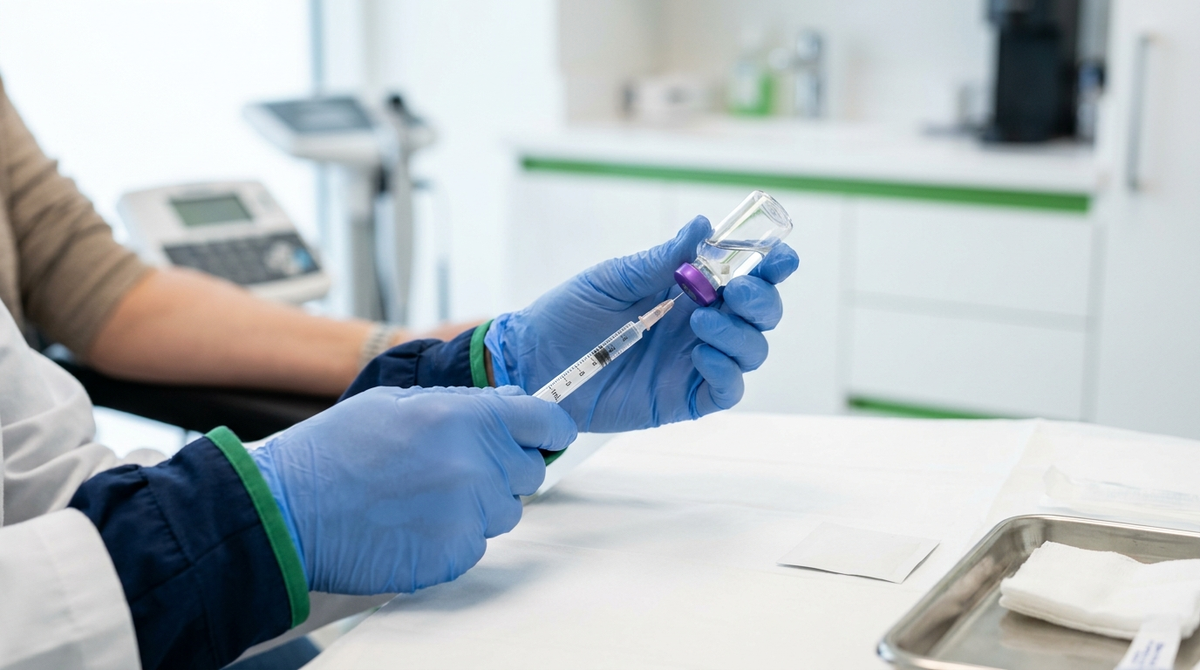
Triple Agonist Mechanism of Action
Retatrutide's efficacy stems from its simultaneous activation of three complementary receptor pathways:
GLP-1 Receptor Agonism
GLP-1 receptor activation in the hypothalamus reduces appetite and increases satiety signaling. In the pancreas, it enhances glucose-dependent insulin secretion and suppresses glucagon release. GLP-1 also slows gastric emptying, contributing to reduced food intake. This is the same pathway targeted by semaglutide (Ozempic/Wegovy), which achieves ~15% weight loss as a single agonist.
GIP Receptor Agonism
GIP receptor activation complements GLP-1 by enhancing insulin sensitivity, promoting fat oxidation in adipose tissue, and providing additional central appetite suppression through hypothalamic and brainstem neurons. The addition of GIP agonism is what distinguishes tirzepatide (Mounjaro) from pure GLP-1 agonists, contributing to its superior ~21% weight loss.
Glucagon Receptor Agonism
The glucagon receptor component is retatrutide's unique differentiator. Glucagon activation increases hepatic energy expenditure, promotes fat oxidation, and directly stimulates thermogenesis in brown adipose tissue. While glucagon traditionally raises blood glucose, the concurrent GLP-1 and GIP agonism counterbalance this effect, maintaining glycemic control while harvesting glucagon's metabolic benefits.
Comparative Weight Loss Results
- Semaglutide 2.4mg (single GLP-1): ~15-17% body weight loss at 68 weeks
- Tirzepatide 15mg (dual GLP-1/GIP): ~21-22% body weight loss at 72 weeks
- Retatrutide 12mg (triple GLP-1/GIP/glucagon): ~24% body weight loss at 48 weeks
Phase 2 Clinical Trial Data
The pivotal Phase 2 trial (NCT04881706) enrolled 338 adults with obesity (BMI ≥30) or overweight (BMI ≥27) with at least one weight-related comorbidity. Participants were randomized to placebo or escalating doses of retatrutide (1mg, 4mg, 8mg, or 12mg) administered as weekly subcutaneous injections.
Key findings at 48 weeks:
- Placebo group: -2.1% body weight change
- Retatrutide 4mg: -17.0% body weight change
- Retatrutide 8mg: -22.1% body weight change
- Retatrutide 12mg: -24.2% body weight change
- 100% of participants on 8mg and 12mg doses achieved ≥5% weight loss
- Over 80% of participants on the 12mg dose achieved ≥15% weight loss
Safety and Side Effect Profile
The most common adverse events were gastrointestinal in nature, consistent with the GLP-1 agonist class: nausea (ranging from 16% to 45% depending on dose and escalation schedule), diarrhea, vomiting, and constipation. Most GI side effects were mild to moderate and occurred primarily during the dose escalation phase.
Importantly, serious adverse events were infrequent and occurred at similar rates across treatment and placebo groups. No cases of pancreatitis or medullary thyroid carcinoma were reported during the trial period. The glucagon component did not compromise glycemic control, with HbA1c levels improving across all dose groups[2].
For related insights, see our article on How aod 9604 fat loss fragments work.
Future Outlook
Retatrutide is currently in Phase 3 clinical trials (the TRIUMPH program) for obesity and Type 2 diabetes. If approved, it could become the most effective pharmaceutical weight loss treatment available, potentially approaching the weight loss outcomes historically seen only with bariatric surgery. The Phase 3 program is expected to report results in 2025-2026, with potential FDA approval to follow.