Peptide Science for Tissue Repair and Recovery
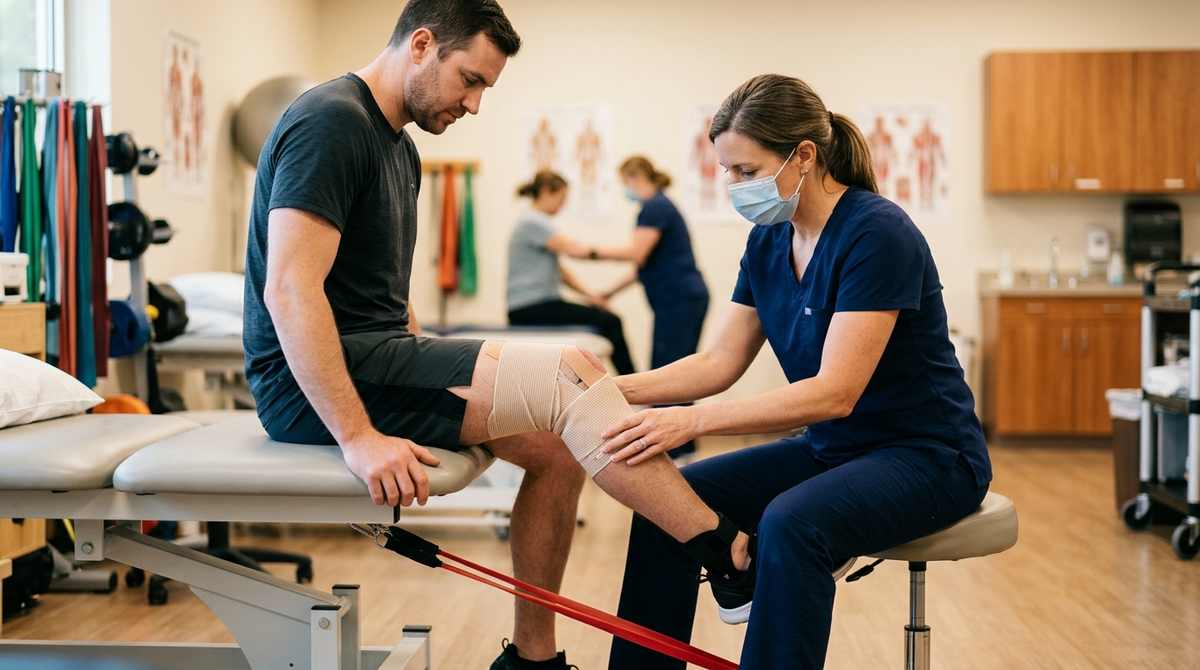
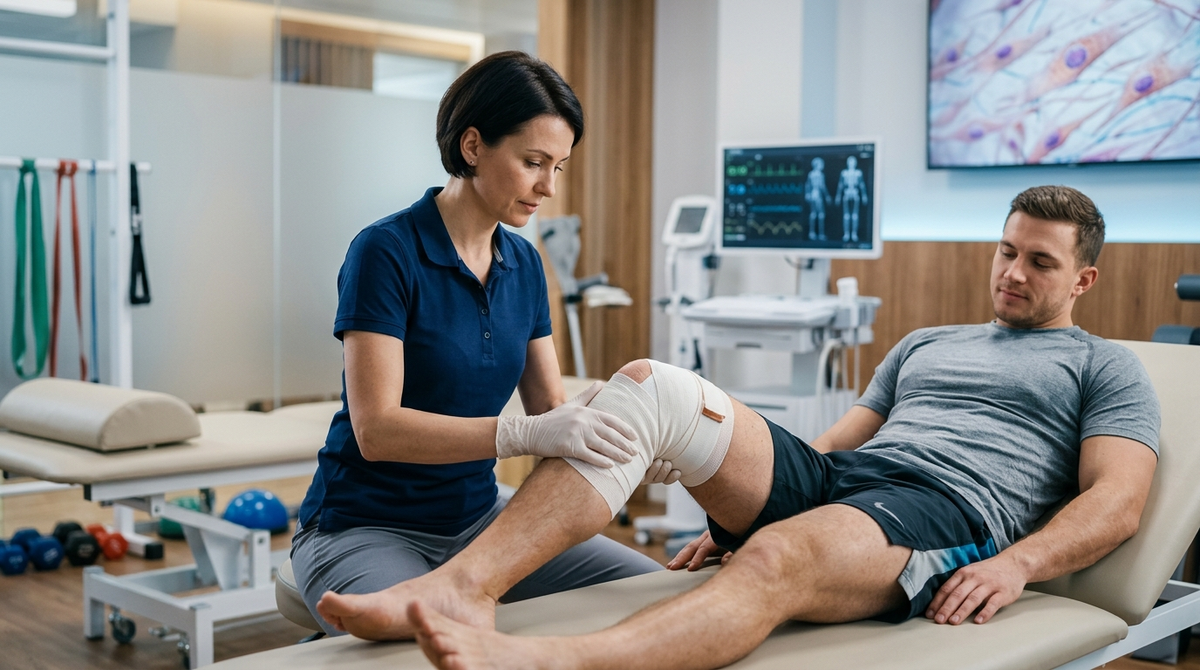
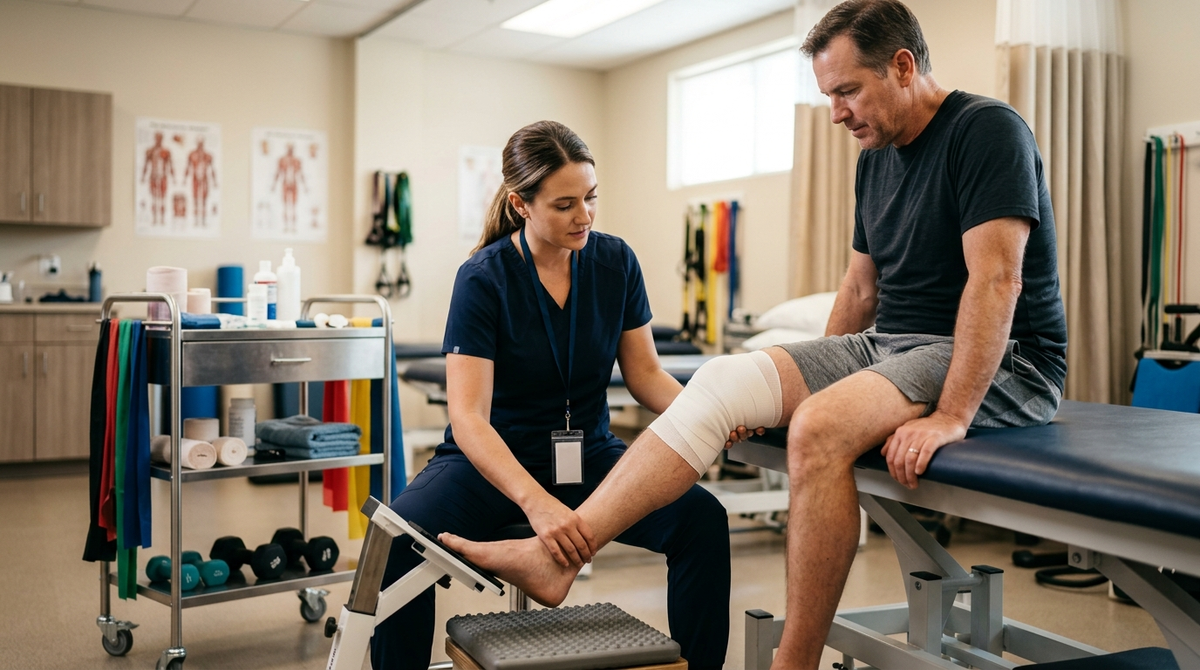
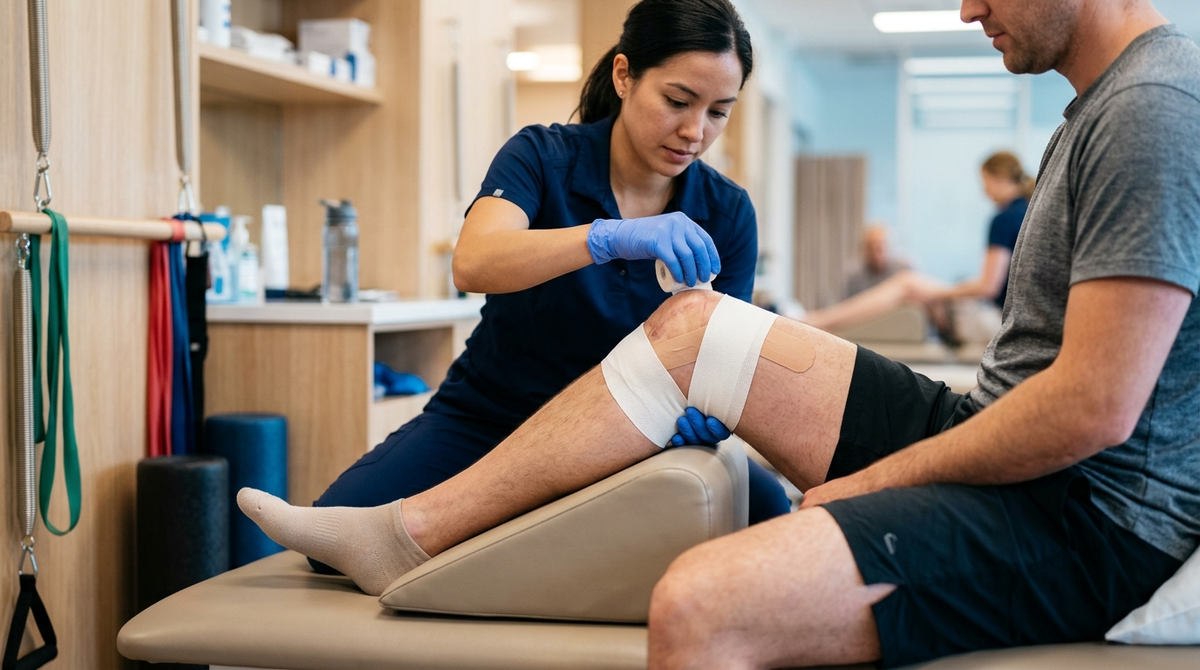
Healing peptides represent one of the most actively researched areas in peptide science. From the gastric pentadecapeptide BPC-157 to thymosin beta-4 (TB-500), these compounds show remarkable potential for accelerating tissue repair, reducing inflammation, and supporting recovery from injuries and surgical procedures.
Core Healing Peptides Covered
- BPC-157: tendon, ligament, gut healing, and neuroprotective properties
- TB-500 (Thymosin Beta-4): tissue regeneration and anti-inflammatory actions
- KPV: potent anti-inflammatory tripeptide for gut and skin health
- ARA-290: neuropathic pain relief and tissue protection
- Thymosin Alpha-1: immune modulation and recovery support
- Wolverine Stack: BPC-157 + TB-500 synergistic protocols
The Biology of Peptide-Mediated Healing
Healing peptides work through diverse mechanisms including angiogenesis promotion, growth factor upregulation, nitric oxide modulation, and direct anti-inflammatory signaling. BPC-157, for instance, has been shown in over 100 preclinical studies to promote healing across multiple tissue types — from tendons and ligaments to the gastrointestinal tract and nervous system.
Our articles examine the evidence behind each healing peptide, compare formulations (such as BPC-157 arginate vs. acetate salt), discuss optimal dosing protocols, and address safety considerations for research applications.