GHK-Cu: The Regenerative Copper Peptide
GHK-Cu (glycyl-L-histidyl-L-lysine copper complex) is a naturally occurring copper-binding tripeptide found in human plasma, saliva, and urine. First identified in 1973 by Dr. Loren Pickart, who observed that liver tissue from older individuals could be rejuvenated when exposed to young plasma, GHK-Cu has since become one of the most extensively studied peptides in dermatology and regenerative medicine.
Plasma GHK-Cu levels are approximately 200 ng/mL at age 20 but decline to roughly 80 ng/mL by age 60 - a 60% decrease that correlates with the visible signs of skin aging[1].
Mechanism of Action
GHK-Cu exerts its biological effects through multiple pathways:
Collagen and Extracellular Matrix Remodeling
- Stimulates collagen types I, III, and V synthesis in dermal fibroblasts
- Increases production of decorin, a proteoglycan that regulates collagen fibril assembly
- Upregulates glycosaminoglycan (GAG) synthesis, including hyaluronic acid
- Modulates matrix metalloproteinase (MMP) activity - increasing MMPs needed for remodeling while inhibiting excessive degradation
- Stimulates elastin production and organization
Growth Factor Signaling
- Upregulates VEGF (vascular endothelial growth factor) for angiogenesis
- Increases FGF (fibroblast growth factor) expression
- Stimulates TGF-β signaling for tissue repair
- Enhances nerve growth factor (NGF) production
Anti-Inflammatory and Antioxidant Activity
- Suppresses pro-inflammatory cytokines (IL-6, TNF-α)
- Activates superoxide dismutase (SOD) and other antioxidant enzymes
- Reduces iron-driven oxidative damage through copper displacement at ferritin binding sites
- Modulates NF-κB inflammatory signaling
GHK-Cu Gene Expression Effects
A landmark 2012 study using the Connectivity Map (Broad Institute) found that GHK-Cu affects the expression of 4,000+ genes - approximately 6% of the human genome. Notably, it shifts gene expression from a disease-associated pattern toward a healthier profile, upregulating genes involved in tissue repair and downregulating genes associated with tissue destruction[2].
Clinical Evidence for Skin Benefits
Anti-Aging Studies
Multiple controlled clinical studies have demonstrated GHK-Cu's skin benefits:
- Wrinkle reduction: Facial application of GHK-Cu cream reduced fine lines and wrinkles by 35% after 12 weeks in a double-blind, placebo-controlled trial
- Skin thickness: Topical GHK-Cu increased skin thickness (a marker of collagen content) by 15-20% in elderly subjects
- Skin firmness: Significant improvements in skin elasticity and firmness measured by cutometry after 8-12 weeks of use
- Photoaging: Reduced appearance of sun damage, age spots, and uneven pigmentation
Wound Healing
GHK-Cu has demonstrated potent wound healing properties:
- Accelerated wound closure in human clinical studies
- Reduced scarring and improved scar cosmesis in post-surgical wounds
- Enhanced healing of chronic wounds and diabetic ulcers in preclinical models
- Improved integration of skin grafts in animal models
Delivery Methods
GHK-Cu can be administered through several routes, each with distinct advantages:
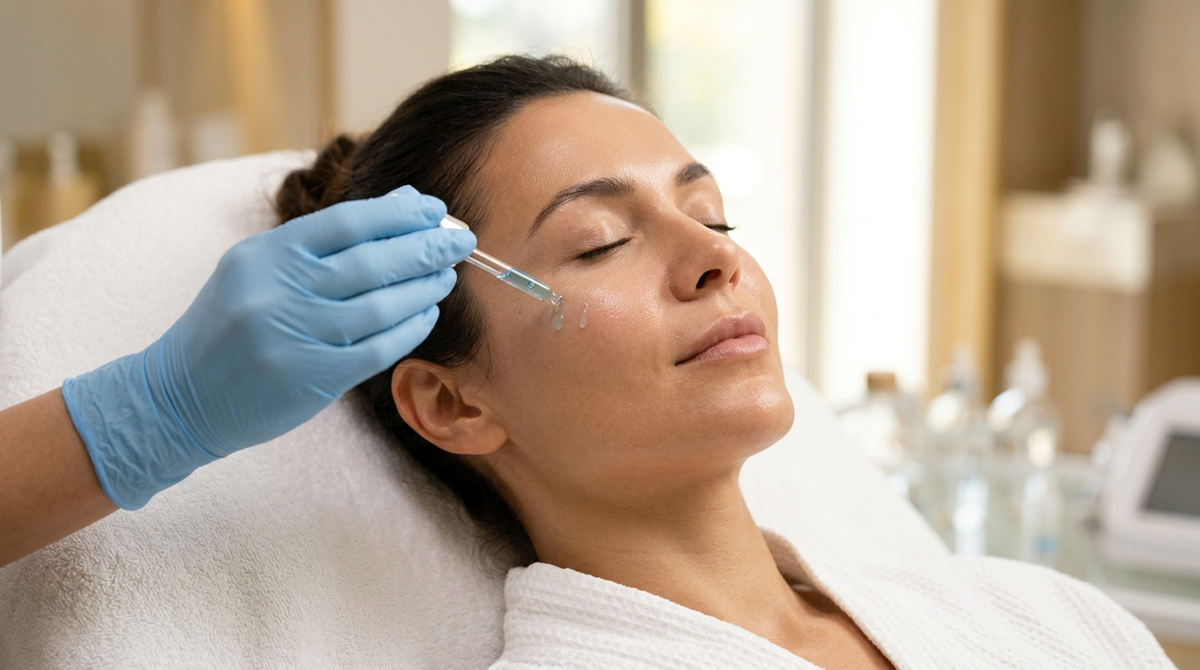
- Topical creams and serums: Most common consumer application; peptide penetrates the stratum corneum effectively due to its small molecular weight (~340 Da). Concentrations of 1-3% are typical in commercial products.
- Subcutaneous injection: Provides systemic exposure and higher tissue concentrations; used in research settings for wound healing and systemic anti-aging protocols
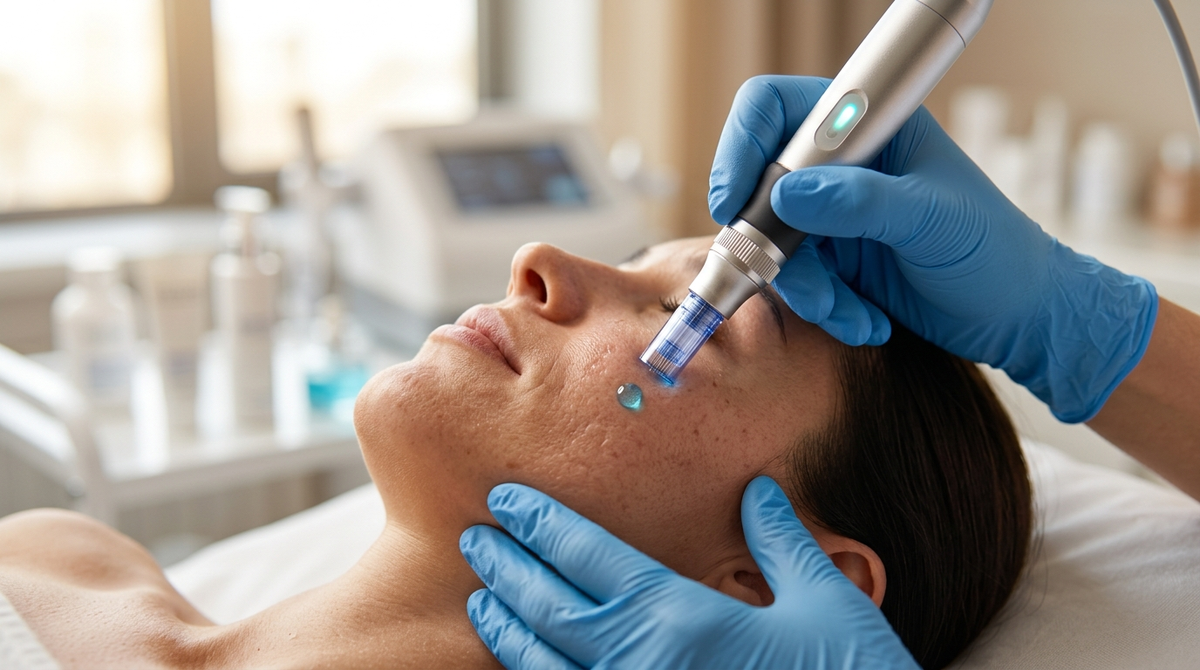
- Microneedling combination: Topical GHK-Cu applied during microneedling procedures enhances dermal delivery and leverages the wound-healing response
- Iontophoresis: Electrical current-assisted delivery increases peptide penetration depth significantly compared to passive topical application
Hair Growth and Follicle Health
Beyond skin, GHK-Cu has shown significant effects on hair follicle biology:
For related insights, see our article on Anti-aging effects of snap-8 peptide.
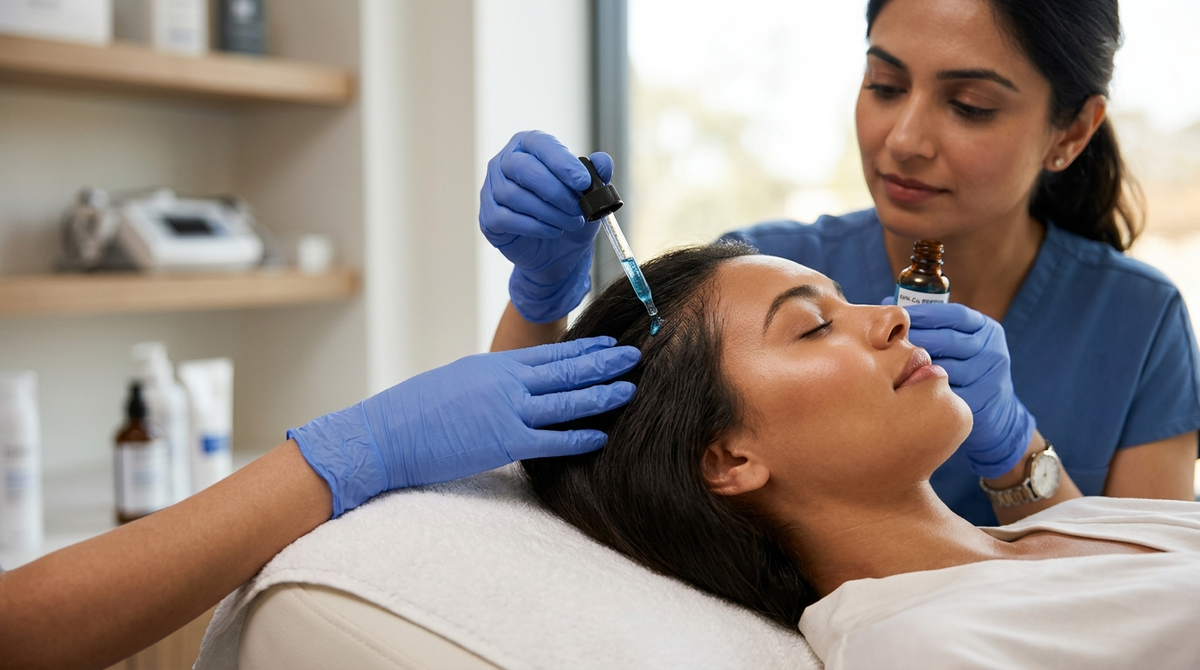
- Increases hair follicle size and the ratio of terminal to vellus hairs
- Extends the anagen (growth) phase of the hair cycle
- Stimulates proliferation of dermal papilla cells - the master regulators of hair growth
- May inhibit 5-alpha reductase activity, reducing DHT-mediated follicle miniaturization
Safety Profile
GHK-Cu has an excellent safety record across decades of clinical use. The copper in GHK-Cu is tightly bound and does not contribute to free copper toxicity. No significant adverse effects have been reported in clinical trials, even at concentrations well above those used commercially. The peptide is non-toxic, non-irritating, and suitable for all skin types including sensitive skin. Its natural presence in the human body at birth further supports its favorable safety profile.