Introduction
BPC-157 (Body Protection Compound-157) is unique among research peptides in having demonstrated biological activity via both oral and injectable (subcutaneous/intramuscular) routes of administration. As a gastric pentadecapeptide derived from stomach protective proteins, BPC-157 possesses inherent stability in acidic environments, giving it unusual oral bioavailability for a peptide. Understanding how administration route affects tissue distribution and efficacy is critical for experimental design.
Mechanism of Action Comparison
The underlying mechanism of BPC-157 is identical regardless of route: VEGF-mediated angiogenesis, nitric oxide system modulation, growth factor receptor upregulation, and FAK-paxillin cell migration signaling. However, the route of administration determines initial tissue exposure and distribution pattern.
Oral BPC-157 encounters the GI tract first, providing direct mucosal contact with the gastrointestinal epithelium before systemic absorption. This first-pass GI exposure makes oral administration potentially advantageous for gut-targeted research. Injectable (subcutaneous) BPC-157 enters systemic circulation directly, bypassing the GI tract and potentially achieving higher concentrations at injection-site-adjacent tissues[1].
Key Differences
| Feature | BPC-157 Oral | BPC-157 Injectable |
|---|---|---|
| GI Tract Exposure | Direct, high concentration | Systemic only |
| Systemic Bioavailability | Partial (gastric stability helps) | Higher systemic levels |
| Local Tissue Targeting | GI-focused | Injection site-adjacent |
| Convenience | Easier (tablet/capsule) | Requires reconstitution, injection |
| Acid Stability | High (gastric origin) | Not relevant (bypasses stomach) |
| Best-Studied For | Gut healing, IBD, ulcers | Tendons, ligaments, muscles, joints |
Research Applications
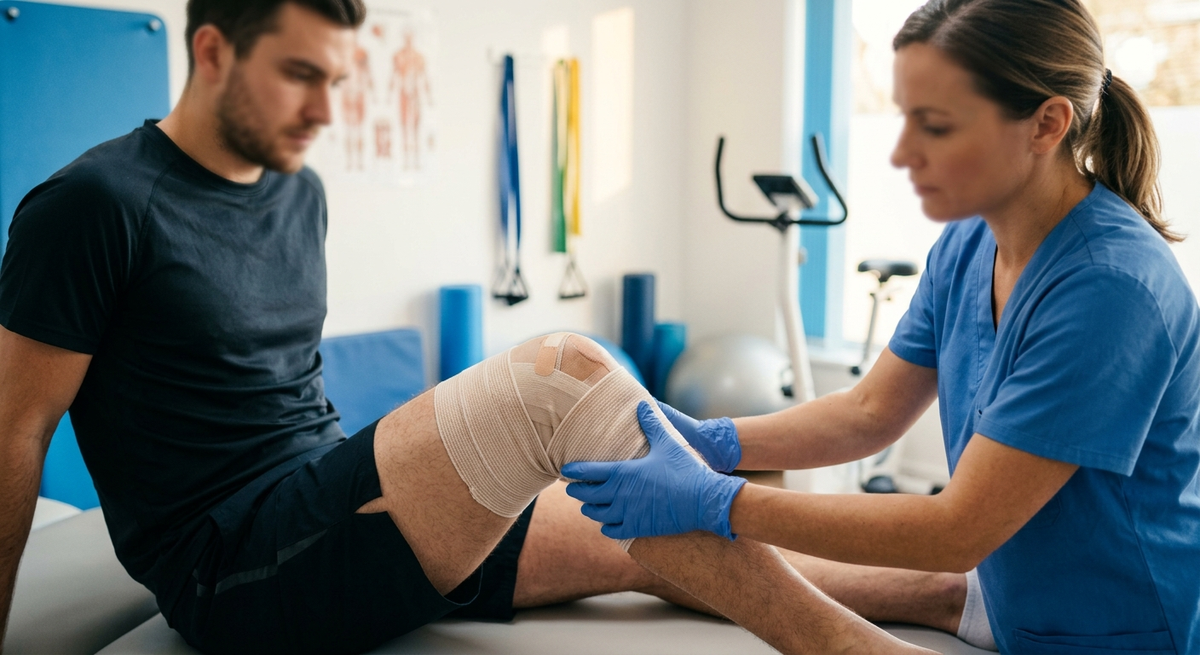
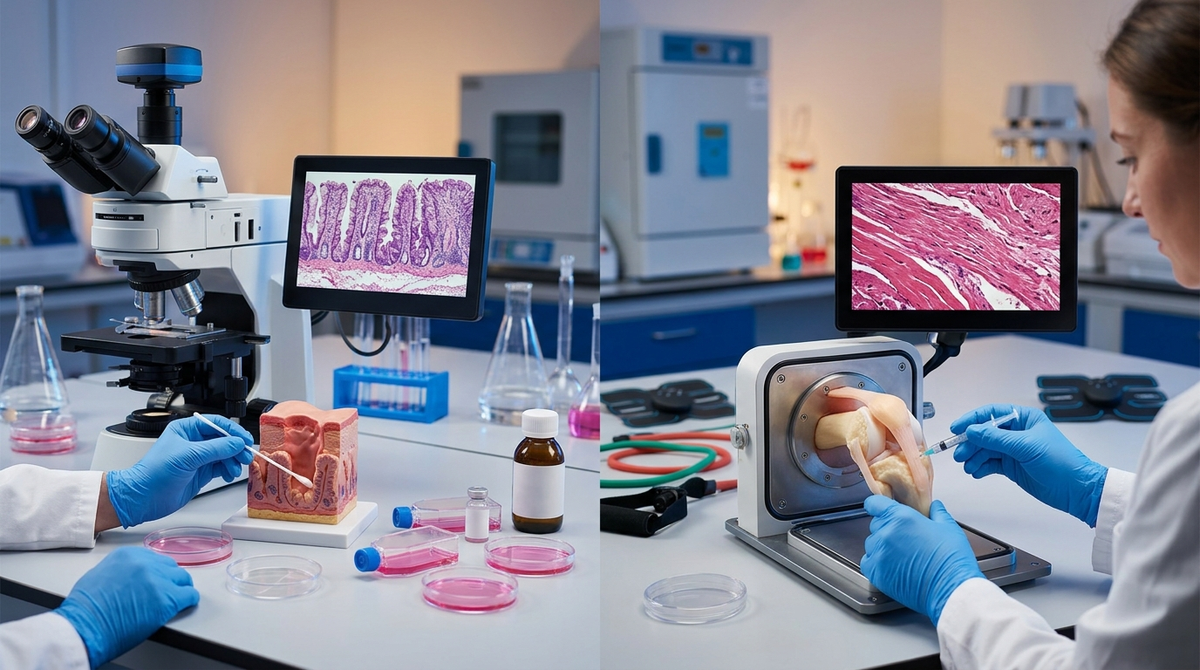
Oral BPC-157 is primarily studied in GI conditions: inflammatory bowel disease, gastric ulcers, leaky gut, and NSAID-induced GI damage. The direct mucosal contact provides the highest local concentration at the tissue of interest. Injectable BPC-157 is preferred for musculoskeletal research: tendon tears, ligament injuries, muscle damage, joint inflammation, and neuroprotection studies where local tissue delivery is desired.
Which to Choose for Your Research?
For GI-focused healing research (IBD, ulcers, gut permeability), oral BPC-157 provides direct mucosal delivery and is supported by the peptide's natural gastric stability. For musculoskeletal, neurological, or localized tissue healing research, injectable BPC-157 offers more targeted delivery to the tissue of interest. Some researchers use both routes simultaneously — oral for systemic and GI effects, injectable for local tissue targeting — though combined-route protocols require careful dosing considerations.